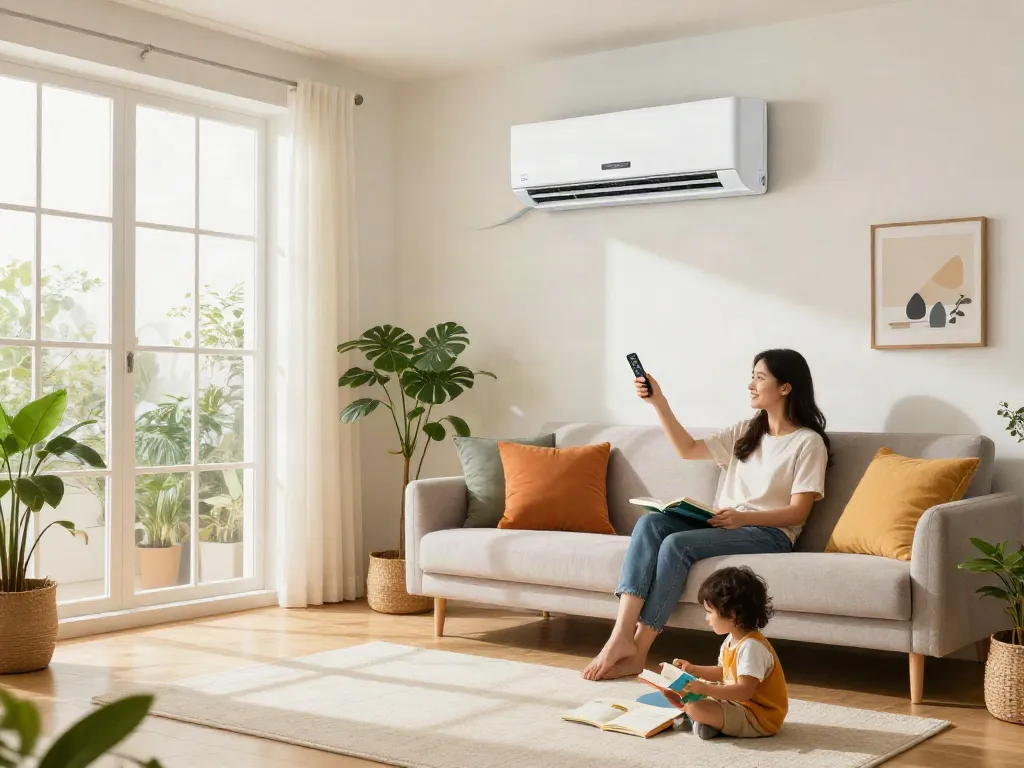
Understanding Mini Split Air Conditioners
As energy efficiency and flexibility become paramount in home climate control, the mini split of air conditioner has emerged as an increasingly popular solution for homeowners seeking to optimize their indoor comfort. Unlike traditional HVAC systems, mini split systems provide targeted cooling and heating, making them ideal for various spaces, including homes, apartments, and commercial settings. This guide will explore the inner workings, benefits, types, and installation considerations of mini split systems, all while addressing common concerns and questions that homeowners might have.
What is a Mini Split Air Conditioner?
A mini split air conditioner, often referred to as a ductless system, is a compact HVAC unit that can independently cool or heat specific areas of a building. These systems consist of two main components: an outdoor unit that houses the compressor and condenser, and one or more indoor units that distribute conditioned air. The absence of ductwork sets mini splits apart, allowing for flexible installation in any room without the need for extensive renovations.
How Mini Split Systems Work
Mini splits utilize a refrigeration cycle to transfer heat between the outdoor and indoor units. During cooling mode, the indoor unit absorbs heat from the room air and transfers it outside, while the refrigerant circulates through the system, enabling efficient heat exchange. In heating mode, the process reverses, with the outdoor unit extracting heat from the outside air—even in colder temps—and delivering it indoors. This dual functionality is one of the many advantages of mini split systems, allowing them to function effectively year-round.
Benefits of Choosing a Mini Split System
- Energy Efficiency: Mini splits are known for their high Seasonal Energy Efficiency Ratio (SEER) ratings, meaning they consume less energy compared to traditional systems.
- Flexible Installation: Without the need for ductwork, mini splits can be installed in a variety of locations, making them suitable for renovations and new constructions alike.
- Noise Reduction: The quiet operation of mini split indoor units ensures minimal noise disruption, enhancing comfort in living spaces.
- Zone Control: Homeowners can customize temperatures for individual rooms or areas, providing tailored comfort and potentially lowering energy costs.
Types of Mini Split Air Conditioners
Wall-Mounted Mini Split Units
Wall-mounted mini splits are among the most common types, affixed high on a wall to maximize airflow while staying discreet. These units are ideal for residential spaces, especially in bedrooms and living rooms, where they efficiently distribute cool or warm air without taking up floor space.
Floor-Mounted Options
Floor-mounted mini splits offer a low-profile design that is perfect for rooms with limited wall space or for replacing existing baseboard heating systems. These units are positioned near the floor, making them suitable for spaces like sunrooms or older homes where wall-mounted systems may not be feasible.
Cassette Mini Split Systems
Cassette mini splits are installed in the ceiling and are particularly efficient for larger areas. They provide a wider distribution of air and are less noticeable than traditional wall-mounted units, making them a suitable choice for commercial spaces, retail stores, or homes with open floor plans.
Key Considerations When Installing Mini Splits
Choosing the Right Size for Your Space
Proper sizing is critical for mini split systems. An undersized unit will struggle to maintain comfortable temperatures, while an oversized unit will cycle on and off frequently, leading to inefficient operation and higher energy bills. Homeowners should consider factors such as room size, insulation, and desired temperature when selecting the appropriate system.
Optimal Placement and Installation Tips
Placement of the indoor units is crucial for optimal performance. Ideally, these units should be located near the center of the room, unobstructed by furniture or walls, to allow for even air distribution. Additionally, it's advisable to hire a professional installer to ensure proper connectivity and refrigerant charging, which are essential for system efficiency and longevity.
Common Installation Challenges and Solutions
One common challenge is achieving adequate drainage for the condensate produced by the indoor units. Installing a condensate pump can resolve drainage issues in cases where gravity drains are not feasible. Moreover, planning ahead for electrical connections and potential zoning in the home can prevent headaches during the installation process.
Cost Analysis and Energy Efficiency of Mini Splits
Initial Costs vs. Long-Term Savings
While the initial installation costs of mini split systems can be higher than traditional HVAC systems, the long-term savings on energy bills and maintenance can justify the investment. It’s estimated that mini splits can save homeowners up to 30% in energy costs compared to conventional systems, making them a financially sound choice over time.
Understanding BTUs and Energy Ratings
BTU (British Thermal Unit) rating is a measure of the air conditioner’s cooling and heating capacity. Homeowners should choose a mini split unit with the appropriate BTU rating based on their space requirements to ensure efficient operation. Additionally, look for units with high energy efficiency ratings, which indicate better performance and lower operational costs.
How Mini Splits Compare to Central Air Systems
Compared to traditional central air systems, mini split systems offer several advantages, including simpler installation, the elimination of duct losses (which can account for energy losses in central systems), and the ability to create distinct zones with independent temperature control. Overall, mini splits are often more efficient and adaptable than their central counterparts.
Future Trends in Mini Split Technology
Advancements in Energy Efficiency for 2026
As environmental standards tighten, the energy efficiency of mini split systems is expected to improve significantly. Manufacturers are researching advanced materials and technologies to create units with even higher SEER ratings, further reducing energy consumption and enhancing HVAC performance.
Smart Technology Integration in Mini Splits
The integration of smart technology into mini split systems is a growing trend. Many new models now feature Wi-Fi connectivity and apps that allow users to control their systems remotely, schedule temperature changes, and monitor energy use, all contributing to increased comfort and efficiency.
Predictions for Mini Split Market Growth
Industry experts predict that the market for mini split systems will continue to expand, driven by increasing consumer awareness of energy efficiency and the rise of smart home technologies. This growth will likely lead to more competition and innovation among manufacturers, resulting in better products and prices for consumers.
What are the advantages of mini split systems?
Mini split systems offer numerous advantages, including energy efficiency, ease of installation, and flexible zoning capabilities. Their ability to provide both heating and cooling further adds to their appeal in various climates and settings.
How do you install a mini split air conditioner?
Installation involves mounting the indoor unit, connecting it to the outdoor unit, and ensuring proper refrigerant levels. Due to the complexities involved, it’s often recommended to hire a professional HVAC technician for installation.
What is the average cost of a mini split air conditioner?
The average cost of a mini split system can range from $2,000 to $5,000, including installation, depending on the size, type, and brand. However, the long-term energy savings typically offset these initial costs.
How long do mini split air conditioners last?
With proper maintenance, mini split air conditioners can last between 12 to 15 years. Regular cleaning and servicing can extend their lifespan and ensure optimal performance.
What are the common issues with mini split systems?
Common issues include refrigerant leaks, drainage problems, and unit noise. Regular maintenance and prompt attention to any irregularities can prevent these issues from escalating.