11 Key Bed Bug Removal Factors That Matter Most for Effective Solutions
Understanding Bed Bugs
Bed bugs are small, nocturnal insects that feed on the blood of humans and animals. These parasitic pests can cause significant discomfort and distress due to their ability to hide in various environments, making detection difficult. When you discover a bed bug infestation, it’s essential to act quickly to mitigate the problem before it escalates. At Affordable Bed Bug Exterminators, we provide comprehensive bed bug removal solutions tailored to your specific needs.
What Are Bed Bugs and Why Are They a Problem?
Bed bugs (Cimex lectularius) are flat, reddish-brown insects about the size of an apple seed. They typically thrive in warm environments where they have easy access to their hosts. The challenges posed by bed bugs include their rapid reproduction rate and resilience against many treatment methods. Each female can lay hundreds of eggs in her lifetime, and their ability to survive several months without feeding complicates eradication efforts.
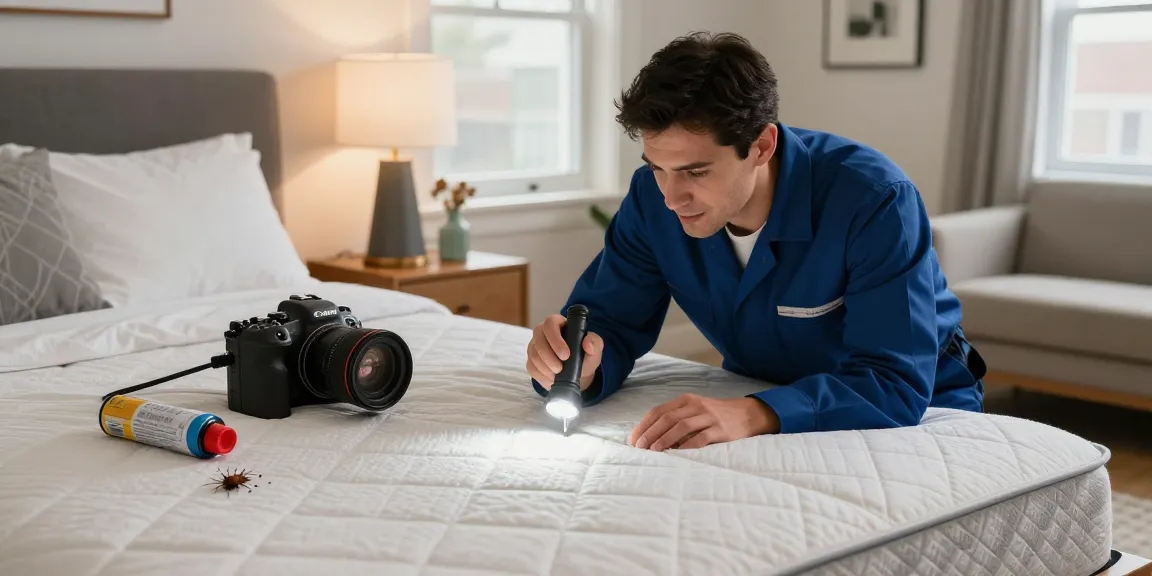
Common Signs of Infestation
- Presence of small, reddish-brown spots on bedding, which are often bloodstains from crushed bugs.
- Dark, inky spots on mattresses and walls, which are bed bug excrement.
- Unpleasant, musty odors in the home, which can indicate a significant infestation.
- Clustered bites on the skin, usually appearing in lines or clusters.
Impact of Bed Bugs on Health and Well-Being
Bed bug bites can lead to various health issues, including allergic reactions, skin infections, and psychological effects such as anxiety and insomnia. The stress of dealing with an infestation can also take a toll on personal relationships, workplace productivity, and overall well-being.
Effective Bed Bug Removal Strategies
To successfully combat bed bug infestations, a multi-faceted approach is often the best strategy. This may involve a combination of heat treatment, chemical sprays, and thorough inspections.
Heat Treatment: How It Works
Heat treatment is one of the most effective methods for eliminating bed bugs. By raising the temperature in infested areas to above 120°F (49°C), this method effectively kills bed bugs at all life stages, including eggs. It is an eco-friendly option that also eliminates other allergens like dust mites, providing additional health benefits.
Chemical Treatment Options Explained
Chemical treatments involve the application of specialized insecticides designed to kill bed bugs and provide a residual barrier. These chemicals can remain effective for several months, ensuring that any remaining pests are dealt with before they can reproduce. It’s crucial to follow all safety precautions during application and to work with a professional exterminator to ensure effectiveness.
Combination Approaches for Comprehensive Solutions
Many pest control experts recommend a combination of heat and chemical treatments for maximum effectiveness. This integrated approach ensures that bed bugs are eliminated from all potential hiding spots, reducing the likelihood of re-infestation.
Preparing for Bed Bug Treatment
Before treatment begins, proper preparation can enhance the effectiveness of the extermination process. Follow guidelines provided by your pest control service to ensure a smooth treatment experience.
Home Preparation Checklist Before Extermination
- Clear clutter from bedrooms and living areas to allow easier access for treatment.
- Wash and dry all bedding and clothing on high heat to kill any potential bed bugs.
- Move furniture away from walls where bed bugs may hide.
- Vacuum the entire home, especially around bed frames and under carpets.
Understanding the Treatment Process
The treatment process can vary based on the methods employed. Typically, pest control experts will conduct a thorough inspection followed by the application of selected treatments. Afterward, there may be follow-up inspections to ensure the infestation has been fully addressed.
Importance of Following Post-Treatment Guidelines
After treatment, it is crucial to adhere to any guidelines provided by your pest control service. This may include avoiding the treated areas for a specific time or scheduling follow-up inspections to prevent future infestations.
Choosing the Right Exterminator
Selecting an experienced exterminator is vital to effectively address bed bug problems. The right professional will ensure long-lasting solutions and offer peace of mind through their services.
What to Look for in a Bed Bug Removal Service
- Proven experience with bed bug infestations.
- Positive customer reviews and testimonials.
- Transparent pricing and clear information about treatment options.
Questions to Ask Before Hiring an Exterminator
Before finalizing your choice of exterminator, consider asking:
- What methods do you use for bed bug removal, and why?
- How long does the treatment process take?
- Do you offer any guarantees or follow-up services?
Evaluating Exterminator Credentials and Experience
Check for certifications and licenses to ensure the exterminator complies with local regulations. Experienced professionals will have a demonstrated history of success in dealing with bed bug infestations.
Long-Term Prevention Strategies
Once you have successfully removed bed bugs, implementing preventive measures is essential to minimize the risk of re-infestation.
Best Practices to Avoid Future Infestations
- Regularly inspect and clean bedding and furniture.
- Avoid bringing in second-hand furniture without thorough inspection.
- Be vigilant when traveling to prevent bringing bed bugs back home.
Monitoring and Maintenance Tips
Regular monitoring can help catch any potential infestations early. Consider using mattress encasements and bed bug monitors to detect issues before they escalate.
Educating Yourself and Others About Bed Bugs
Knowledge is power. Stay informed about the signs of bed bugs and share this information with family and friends to enhance community awareness and prevention efforts.
How Can I Tell If I Have Bed Bugs?
Common indicators include bites appearing in a line or cluster, bloodstains on sheets, and dark spots of excrement. Regular checks of sleeping areas can help identify infestations early.
What Are the Most Effective Methods for Bed Bug Removal?
The most effective methods include heat treatments, chemical sprays, and a combination of both. Consulting with a professional can help determine the best approach for your situation.
Are DIY Solutions Worth Trying for Bed Bug Infestations?
While some DIY methods may reduce minor infestations, they are often not enough to eliminate a full-blown problem. Professional treatments are usually more effective and comprehensive.
How Long Does the Bed Bug Removal Process Take?
The duration can vary significantly depending on the extent of the infestation and the methods used. Generally, a thorough treatment may take several hours, with follow-ups being necessary to ensure complete eradication.
What Should I Expect After Bed Bug Treatment?
After treatment, it’s common to notice a decrease in bug activity. However, keep an eye out for any signs indicating that bed bugs may be returning, and report any findings to your exterminator immediately.