Data-Driven Heroic Sacrifice Dystopian Sci-Fi Series Insights for 2026
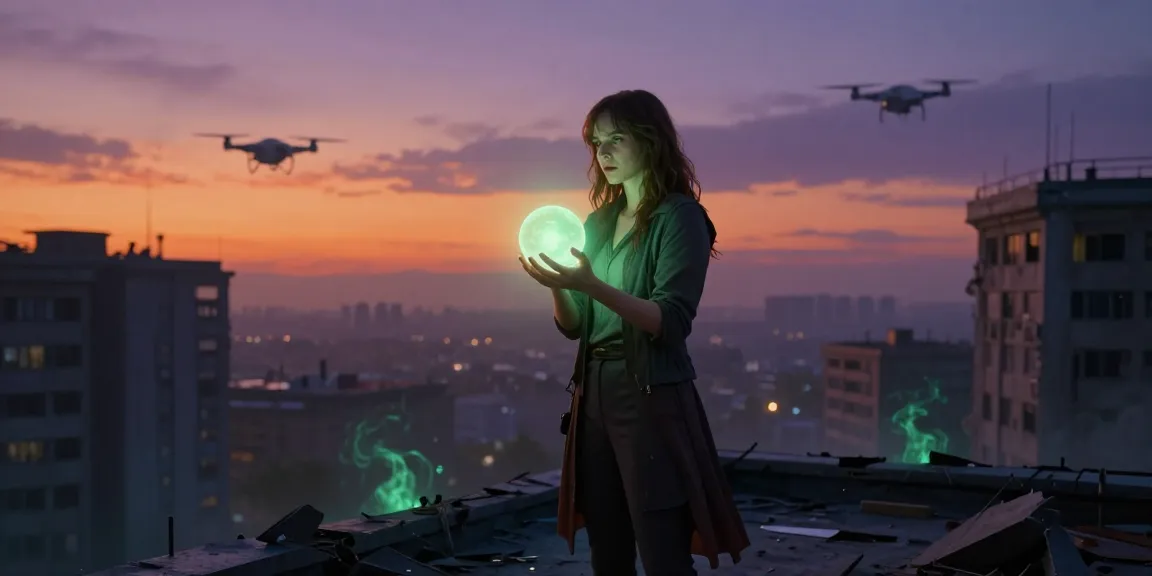
Understanding the Genre: An Overview of Dystopian Sci-Fi Series
Dystopian science fiction is a captivating literary genre that delves into the complexities of society—its structures, ideologies, and the consequences of human actions. These narratives often take readers on a journey through bleak futures, where society’s failures lead to oppressive governments, environmental catastrophes, or technological dystopias. Within this genre, themes such as survival, rebellion, and the cost of emotional suppression resonate deeply, particularly in stories that incorporate the concept of heroic sacrifice dystopian sci-fi series. This article explores the defining characteristics of dystopian sci-fi series, focusing on how they engage readers and reflect societal anxieties.
What Defines a Dystopian Sci-Fi Series?
A dystopian sci-fi series is defined by its setting in a future society that is often marked by extreme conditions—be it political oppression, environmental ruin, or technological control. These narratives typically feature a protagonist who navigates through the challenges posed by their world. They often serve as a lens for examining contemporary issues, such as authoritarian governments, climate change, and the ethical dilemmas of advanced technology.
The genre emphasizes conflict, not only between characters but also within the societal structure itself. Protagonists usually face moral dilemmas that question personal beliefs and values, pushing them toward rebellion or compliance. This internal struggle is further amplified by external pressures, creating a rich narrative tapestry that captivates readers.
Key Themes in Heroic Sacrifice Dystopian Narratives
Heroic sacrifice is a prevalent theme within dystopian narratives, symbolizing the ultimate act of rebellion against oppressive systems. Characters who willingly put themselves at risk for a greater cause often resonate strongly with readers, highlighting the complexities of altruism in dire circumstances. This theme serves multiple purposes:
- Character Development: Protagonists undergo significant transformations that reveal their true selves when faced with life-altering choices.
- Social Commentary: The sacrifice often reflects the societal flaws that demand such extremes, compelling readers to reflect on modern-day issues.
- Emotional Engagement: Acts of sacrifice evoke powerful emotions, fostering a deep connection between the reader and the story.
Popular Examples and Their Impact on Readers
Classic and contemporary dystopian works often include themes of heroic sacrifice. George Orwell’s “1984” and Margaret Atwood’s “The Handmaid’s Tale” explore the ramifications of totalitarian regimes through characters who challenge the status quo. More recent works, such as “The Hunger Games” by Suzanne Collins and “Divergent” by Veronica Roth, feature protagonists who make significant sacrifices for the sake of their societies, resonating particularly with young adult audiences. These narratives not only entertain but also provoke discussions about freedom, identity, and the human condition.
Central Character Dynamics in The Emotion Collector: Awakening
Emma Thorne: The Protagonist’s Journey
In “The Emotion Collector: Awakening,” readers are introduced to Emma Thorne, a senior collector in a world where emotions are contraband. Emma’s journey is marked by significant personal and societal challenges, as she grapples with her role in a system designed to suppress feelings.
Emma’s evolution as a character embodies the themes of rebellion and sacrifice. Initially, she fulfills her duties without question, but a chance encounter reveals the devastating truth behind her society’s emotional harvesting. This revelation acts as a catalyst for Emma’s transformation, propelling her into a race against time where her understanding of love and emotion becomes central to her identity.
Mother-Daughter Relationships as a Core Element
At the heart of Emma’s journey lies the complex relationship with her mother, the architect of the emotional suppression system. The betrayal cuts deeply, as Emma discovers her mother’s involvement in her father’s murder and the concealment of her past. This mother-daughter dynamic underscores the theme of emotional suppression, illustrating how familial ties can both bind and fracture in oppressive societies.
Through their relationship, readers witness the profound impact of emotional denial, as Emma’s struggle embodies the broader societal implications of suppressing feelings. The tension between love and betrayal adds depth to the narrative, engaging readers on both emotional and intellectual levels.
Character Development Through Sacrifice and Rebellion
Emma’s character development is intricately tied to her acts of rebellion and sacrifice. As she learns that emotions are vital to planetary survival, her choices become increasingly significant. Each decision to defy the council’s orders propels her toward a climactic confrontation, echoing the genre’s theme of sacrifice. This evolution not only shapes Emma but also serves as a metaphor for the broader fight against systemic oppression.
As Emma navigates her world, her journey highlights the courage it takes to reclaim one’s emotions and identity in a society that punishes such acts. By the end, her sacrifices not only impact her fate but also represent a glimmer of hope for a future where feelings can thrive once again.
Exploring the Themes of Emotional Suppression
The Cost of Suppressing Emotions in Society
Emotional suppression is a recurring theme in dystopian fiction, reflecting the challenges faced by societies that prioritize control over individuality. In “The Emotion Collector: Awakening,” the council’s mandate to harvest emotions for the sake of peace illustrates the dire consequences of denying humanity’s emotional essence.
The cost of such suppression is profound, leading to societal decay and emotional starvation. Characters like Emma serve as reminders of what is lost when feelings are treated as commodities. The narrative encourages readers to reflect on real-world parallels, prompting discussions about the importance of emotional expression in maintaining societal health.
Heroic Sacrifice as a Form of Rebellion
In the context of emotional suppression, heroic sacrifice becomes not only an act of rebellion but also a necessary step toward restoration. Emma’s choices reflect a growing awareness among characters that true strength lies in vulnerability and emotional authenticity. This realization positions heroic acts as means of reclaiming humanity in a cold, calculating system.
By embracing their emotions, characters challenge the status quo and inspire change. Such acts of bravery resonate with readers, who may see reflections of their struggles against societal norms that discourage emotional openness.
Ecological Consequences of Emotion Harvesting
The ecological implications of emotion harvesting in “The Emotion Collector: Awakening” add another layer of complexity to the narrative. As emotions are extracted and contained, the text alludes to a broader environmental crisis—one where humanity’s emotional disconnect exacerbates planetary issues. This theme intertwines ecological science fiction with character-driven drama, compelling readers to consider the interconnectedness of emotional health and ecological well-being.
Through Emma’s journey, the novel prompts a reevaluation of priorities in both personal and societal contexts, encouraging readers to advocate for a world where emotions are celebrated rather than suppressed.
Engagement Strategies for Readers of Dystopian Fiction
Building Emotionally Resonant Connections
Engaging readers in dystopian fiction requires more than just a captivating plot; it demands a deep emotional connection. Authors can accomplish this by creating relatable characters who embody the struggles faced in oppressive societies. By presenting heroes whose journeys mirror real-life challenges, readers are more likely to invest in their stories.
Additionally, exploring diverse perspectives, including marginalized voices, enriches the narrative and makes it more relatable to a broader audience. Writers can take inspiration from Emma’s journey in “The Emotion Collector: Awakening,” where her unique experiences provide insight into the emotional and social complexities of her world.
Creating a Sense of Urgency in Storytelling
One effective strategy for engaging readers is establishing a sense of urgency within the narrative. Time constraints, as seen in Emma’s struggle against the council, can heighten tension and keep readers on the edge of their seats. Employing countdowns or ticking clocks in storytelling creates an atmosphere of suspense, compelling readers to immerse themselves in the unfolding action.
Furthermore, constructing stakes that resonate with readers—such as the survival of love, identity, or humanity—ensures that characters’ decisions feel weighty and significant.
Utilizing Social Media and Community Platforms
Authors can further enhance reader engagement by leveraging social media and community platforms. Engaging with fans through discussions, interactive content, and behind-the-scenes insights fosters a sense of community around the story. Platforms like Instagram, Twitter, and Goodreads provide excellent opportunities for authors to connect with readers, generate buzz, and gather feedback.
By sharing their creative processes and insights into character development, authors can cultivate a loyal readership eager to discover new works. Additionally, encouraging discussions around themes and characters allows readers to engage on a deeper level, heightening their investment in the narrative.
Future Trends in Dystopian Sci-Fi Literature and Media
Emerging Themes for 2026 and Beyond
As we look toward the future of dystopian sci-fi literature, several themes are set to emerge. The exploration of mental health and emotional intelligence will take center stage, highlighting characters’ internal struggles in oppressive regimes. Readers will likely see more narratives that challenge traditional notions of heroism by focusing on vulnerability and emotional resilience.
Moreover, environmental themes will continue to shape dystopian narratives, as writers reflect on the urgent need for ecological awareness. The interplay between human emotions and environmental health may form the backbone of future stories, as seen in “The Emotion Collector: Awakening.”
Technology’s Role in Shaping New Narratives
The rapid advancement of technology will also influence the genre. As virtual reality and augmented reality continue to evolve, immersive storytelling experiences may become more prevalent. Readers could find themselves engaging with narratives in real-time, fostering a deeper connection with characters and their emotional journeys.
Additionally, the role of artificial intelligence and automation in creating dystopian societies will likely spark new discussions about identity, consciousness, and ethics.
Potential Cross-Media Adaptations and Expansions
The popularity of dystopian narratives has led to several cross-media adaptations, including films, television shows, and graphic novels. Successful stories like “The Hunger Games” and “Black Mirror” have redefined the genre, paving the way for innovative adaptations that explore complex themes in diverse formats.
As we move forward, expect to see even more adaptations of dystopian works, including “The Emotion Collector: Awakening.” These adaptations can help bridge the gap between literature and visual media, further engaging audiences and exploring the richness of the source material.
What is the significance of heroic sacrifice in dystopian narratives?
Heroic sacrifice is significant in dystopian narratives as it embodies the struggle between the individual and oppressive systems. These acts highlight the lengths to which characters will go for their beliefs, serving as a powerful testament to the resilience of the human spirit.
How does emotional suppression affect character development?
Emotional suppression often leads to complex character arcs, as individuals grapple with their feelings in oppressive environments. This tension drives character development, pushing protagonists toward rebellion and self-discovery.
What can we learn from The Emotion Collector about rebellion?
“The Emotion Collector: Awakening” offers insights into the importance of emotional authenticity as a form of rebellion. By embracing their feelings, characters challenge the status quo and advocate for a more compassionate world.
Are there recent trends in dystopian stories in media?
Recent trends in dystopian stories often reflect contemporary societal issues, such as climate change, mental health awareness, and the ethical implications of technology. These themes resonate with audiences, ensuring the genre remains relevant and thought-provoking.
How do character sacrifices relate to wider societal themes?
Character sacrifices in dystopian narratives often illuminate broader societal themes, such as the costs of totalitarianism or the importance of community. By examining these sacrifices, readers can glean insights into moral complexities and the human condition.